顯示具有 culture 標籤的文章。 顯示所有文章

2026年5月11日 星期一

排灣族婚禮 Paiwan Tribal Wedding Ceremonies (1 of 3)


The Chinese below was written by 劉思源 and the illustrations were done by 彭大維.  The English was written/translated by me.  The text comes from the book 排灣族婚禮, which was part of the "Boar Forest" 野豬林 series published way back in 1989.

My school was going to throw these books away!  I thought they could use a little love...


"叮叮咚咚" , 他們蓋房子做什麼 ? "Ding Ding Dong Dong," Why are They Building a House?

排灣族住在台灣南部的高山上 , 他們以打獵耕種為主 , 住在石板蓋的房屋 , 女孩擅長織繡 , 男孩擅長雕刻 , 過著平靜的部落生活 . The Paiwan Tribe lives in the high mountains of south Taiwan.  They primarily subsist on hunting and farming, and live in houses made of stone slabs.  The girls are skilled in weaving and embroidery, and the boys are great wood carvers.  They live peaceful lives in their villages. (1)

但是 , 每當有喜事 , 全部落的人都會聚在一起幫忙 , 非常熱鬧 .  像最近大頭目的兒子巴清要結婚了 .  因為他是頭目的兒子 , 更要好好準備一番 .  在幾個月前 , 巴清就和他的朋友們 , 忙著蓋新屋 , 準備結婚用 .  你看 , 巴清一邊蓋房屋 , 一邊笑 , 多興奮啊 !  排灣族的婚禮很特別 , 大家要穿上傳統的衣服 , 準備豐盛的食物 , 還要跳舞 , 唱歌 , 盪鞦韆呢 !  來 , 我們一起去參加 . However, when there's a joyous occasion the whole village comes together to help.  It can be very lively.  For example the chief's son Ba-qing is getting married, and because he's the chief's son he needs to be ready.  In the few months before the wedding Ba-qing and his friends will be busy constructing a new house for his wedding.  Look, Ba-qing is smiling, excited over the construction of his home.  The Paiwan wedding ceremony is very special, everyone needs to wear traditional clothes, help prepare a great feast, dance, sing songs and swing!  Come, let's join in the fun together! (2)


排灣青年怎樣找太太 ? How Do Paiwan Braves Find a Wife?

巴清的新娘叫做琳娜 , 她是隔壁部落大頭目的女兒 , 說起他們認識的經過 , 很好玩 .  依照排灣人的習俗 , 每天晚上 , 男孩子要到他看上的女孩窗前唱歌 , 一首接一首 , 直到深夜 .  最好玩的是 , 男孩們還成群結隊去 "找小姐" . Ba-qing's bride's name is Lina, she's the daughter of a chief in the next village over.  The tale of how they met is quite amusing.  In accordance with Paiwan custom, the boys sing in front of the window of the girls they like every evening, song after song, until very late at night.  The most amusing part is how boys form groups to "look for ladies."

"找小姐" 是排灣青年找友的特殊風俗 , 每天晚上 , 排灣青年三 , 五結伴 , 帶著檳榔 , 糖果到女孩家拜訪 , 女孩就趁這個機會挑選她喜歡的男孩 , 巴清就是這樣被琳娜選中的 . "Looking for ladies" is a custom unique to Paiwan youths.  Groups of three to five Paiwan braves will bring betel nut and candies to girl's homes each evening, and the girls will use this opportunity to choose boys they like.  Ba-qing met Lina in exactly this way. (3)

不過 , 巴清別太得意 , 被選上了還有好多事情要做 .  他要幫琳娜除田裡的雜草 , 上山砍柴 ... 做好多好多事 , 才能贏得琳娜的芳心 , 去女方家提親 , 討論聘禮和婚期 . Ba-qing shouldn't be too proud, however.  Being picked equals a lot of new responsibilities.  He needs to help Lina weed her [family's] fields, chop firewood in the mountains and many other things.  This is how he will win her heart and be able to propose a marriage to her family.  Then he will have to discuss wedding gifts and a wedding date with them.


看 !  各式各樣的聘禮 . Look!  All Kinds of Wedding Gifts

大頭目家的聘禮最隆重 , 不但要有各種生活上的用品 , 像鐵鍋 , 鐵耙等 , 還要有珍貴的傳家寶 , 像陶壺 , 琉璃珠 , 甚至還要送一塊土地給女方 . The wedding gifts given by the chief's family are the most important, and include daily necessities such as iron pots, rakes and precious family heirlooms like clay pots and beads.  They are even required to give the bride's family a plot of land.

然後就要決定結婚的日子 , 如果十天後結婚 , 就拿兩條繩子各打十個結 , 交給雙方 .  每過一天 , 就解開一個結 , 等結通通結開了 , 婚禮就到了 . [After these gifts are given] they need to choose a date for the wedding.  If the wedding is to take place in ten days, then two lengths of ropes tied into ten knots each are given to each family.  On each day a knot is untied, and when all of the knots are untied it's time for the wedding ceremony.


婚禮前 , 忙忙忙 . Very Busy Before the Wedding Ceremony

婚期決定以後 , 婚禮要用的東西得一樣一樣準備起來 , 吃的 , 喝的 , 穿的 , 戴的一樣也不能少 .  親戚們都趕來幫忙 , 巴清的媽媽和他的姐妹們忙著舂米 , 蒸酒 , 包米糕 .  她們包的米糕叫 "阿外" , 是用芋頭葉裹著小米和豬肉 , 做成的長條型米糕 , 它是排灣族特別的 "定情" 食物呢 ! After the wedding date is decided upon, everything for the wedding must be carefully prepared.  Food, drinks, clothes and other items are all essential.  The family quickly arrives to help as Ba-qing's mother and sisters busy themselves pounding rice, steaming wine and wrapping rice cakes.  The rice cakes they are preparing are called "awai," they're long cakes of millet and pork wrapped in taro leaves.  They're a special betrothal food of the Paiwan Tribe. (4)

另外還要在衣服上縫珠子 , 這樣穿上它跳舞時 , 才會有叮叮咚咚美妙聲音 .  頭上戴的鮮花也得事先準備好 . [Ba-qing's mother and sisters] also have to sew beads onto clothing so that when they're worn during a dance they make the beautiful "ding ding dong dong" sound.  Fresh flowers for headwear must also be prepared in advance.

巴清和他的朋友們 , 更要上山去打獵 , 抓山豬野鹿 , 準備迎親和宴客用 .  另外 , 還得到山上搬石板 , 蓋新屋 , 可得忙碌好多天呢 ! Ba-qing and his friends also need to go hunting in the mountains in order to bring back wild boar and deer for the wedding feast.  In addition they also need to build a stone slab house in the mountains, a task which keeps them busy for many days.

Related Entries 相關的文章:


1. This paragraph is problematic.  Overgeneralizing over any ethnic group poses problems, and this paragraph is no exception to the rule.  For one thing, Paiwan don't all live in the "high mountains" of south Taiwan.  Some actually live on the coast.  For another thing, many Paiwan people don't subsist on hunting and farming these days.  Many of them have regular jobs, and younger people often leave their village to go work in one of Taiwan's big cities.  Houses made of stone slabs?  Very few Paiwan people choose to live in them now, preferring instead modern homes with modern conveniences.  Many of the villages are trying to keep the weaving, embroidery and wood carving traditions alive, with mixed results.

2. The "swing" is a special kind of tribal swing suspended from poles.  It's often used during festival occasions.  It probably goes without saying, but not that many Paiwan tribal members build slab houses for their weddings in 2026.

3. I wonder what "candy" would mean in a traditional Paiwan context.  I've never heard of any traditional type of Paiwan candy, but maybe there is such a thing.

4. Regional pronunciations of "awai" vary, and no, it's not a food exclusive to the Paiwan Tribe.  I've also heard it pronounced "avai" or "abai."

2023年5月11日 星期四

Majia Township, Pingtung County 屏東縣瑪家鄉


Majia Township is north of Taiwu Township.  It's in the mountains.  Most of Majia's residents live in Paiwan villages along the Mountainside Highway. 瑪家鄉位於泰武鄉的北部 。  瑪家鄉算山區 ,  那裏的居民大部分居住在沿山公路上的排灣部落 。

According to the last census, 6,796 people live in Majia. 上次的人口統計顯示瑪家的人口是6,796人 。


The Taiwan Indigenous People's Cultural Park, at the north end of the township, not far from Sandimen.  The indoor exhibition area isn't great, but there are some great views, aboriginal art and examples of aboriginal architecture outside the exhibition area. 臺灣原住民族文化園區瑪家的北部 , 靠近三地門 。  戶內的展覽館不是很有趣 , 可是戶外的風景很棒, 還有原住民的藝術品和傳統的建築物 。

As a place to learn about Taiwan's aboriginal tribes, however, I'd rank it below the Formosan Aboriginal Culture Village in Nantou and the Prehistory Museum in Taitung.  It's definitely worth a visit, but I didn't find it as informative as those other two places. 我覺得這裡的教育價值比較低, 我建議想認識臺灣原住民文化的旅客去南投九族文化村或是台東史前博物館 。  雖然原住民族文化園區值得去 , 可是沒有很多介紹原住民的資料。


On the other side of the indoor exhibition area you'll find this suspension bridge. 展覽館另外一邊有這座吊橋 。


For the most part nature in this area has been left alone.  In this respect the Indigenous People's Cultural Park stands in sharp contrast to the other two aboriginal attractions mentioned above.  Those other two places have been heavily landscaped. 這個地方的自然環境被保護的比較好。  以自然環境來說 , 原住民族文化園區比其他兩個景點好很多 , 九族文化村史前博物館處處可見人為造景。


The Aboriginal People's Cultural Park offers a glimpse at how aboriginal people once lived.  They lived much shorter lives back then, and their interactions with other groups were more problematic, but I like to think that they were happy. 在原住民族文化園區可以看到以前原住民的生活方式 。  他們那個時代的人壽命比較短 , 跟其他族群交流比較會產生問題 ,可是他們山上的生活應該很開心 。


Paiwan art is very interesting, though you need not visit this place to see it.  Every Paiwan village comes with local art, much of it featuring "hundred pace snakes," braves and witches. 排灣的藝術品很有趣 。 你不一定要來這裡看 ,  每個排灣族部落有自己的藝術品 。大部分的作品是百步蛇 、 勇士跟巫婆。


Nearby is the Shanchuan (Mountain River) Glass Suspension Bridge.  This is a major tourist attraction, so expect big crowds on weekends. 山川琉璃吊橋在附近 。 這座吊橋是重要景點 ,周末的時候是人山人海。


It might look daunting, but it's an easy walk to the other side.  The only annoying part is people continually posing for pictures along the length of the bridge. 看起來有點恐怖 ,可是很簡單就可以走到橋的另外一頭。  煩人的部分是很多人在橋上自拍 。


You can't see it in this picture, but the Taiwan Indigenous People's Culture Park is on the other side. 在照片看不出來 ,原住民族文化園區就在那座山坡上 。


This view is much further up, above Linali Village.  The road that passes by Linali Village goes DEEP into the mountains, to the other side of the township. 更上面的風景 。 經過納里部落之後,這條路往更深的山裡去到瑪家的另外一側


Not far south of there is the Liangshan Waterfall.  At the time I took these pictures it hadn't rained in a while, and both the waterfall and the creek bed below it were completely dry.  Hopefully by the time you read this it will have rained there. 南邊一點點有涼山瀑布 。  已經很久沒下雨了 , 所以我拍照的時候瀑布跟溪床都沒有水 。  希望你讀這片文章的時候那裡已經下過雨了 。


Minus the waterfall it's still a nice place to walk.  Just try to get there early.  Later in the day tour groups show up, and the microphones the tour guides use can be very annoying. 就算瀑布沒有水,在這裡散步仍是不錯的 。  比較早來比較好 ,晚一點就有旅行團來了, 越晚旅行團越多 ,  而且他們都用很大聲的麥克風導覽 。


"Taiwan's Six Big Venomous Snakes."  Yeah, this is a thing, so be careful where you step.  I don't actually worry about snakes that much.  Monkeys are a much bigger problem. 臺灣的6大毒蛇 。  這裡有毒蛇沒錯 , 所以走路要小心 。  其實我沒有那麼在乎毒蛇 , 猴子才是最可怕的 。


Anybody know what kind of tree this is?  I asked a friend who knows about such things, and she wasn't sure.  Apparently there are two kinds of tree that look like this.  Whatever they are, the park below the waterfall has many of them. 有人知道這是哪一種樹嗎 ?  我問過一位認識臺灣植物的朋友 ,她說有兩種樹看起來像這棵樹,所以她不確定是這是什麼樹。不管這是什麼樹,瀑布下方有很多。


Still further south is the village of Jiayi, just below the Liding Mountain Trailhead.  I'm guessing that winged figure at the bottom is a face?   更南邊有靠近笠頂山登山步道佳義部落 。我猜想上面的圖案是人的臉。


This is the trail itself.  Exercise extreme caution when hiking here -- several hikers have died on this trail.  Some of these deaths were due to adverse weather conditions, while others were due to hikers not being in good enough shape for their hike. 這是步道 。  在這裡爬山要小心 , 有人在這裡發生過意外。  有的人死亡的原因是天氣變差 , 有的人是身體狀況不佳 。


Looking east toward the Central Mountain Range.  Parts of Majia are very beautiful, and I was a bit sorry to leave it. 往東邊看中央山脈 , 瑪家的風景好美 , 我不是很想離開了 !

Related Entries 相關的文章:

2023年4月10日 星期一

Taiwan 101: "I know kung fu!"


Like a lot of guys my age, I grew up on martial arts movies.  Some of these martial arts movies were from the States, and featured the likes of Jean Claude Van Damme or Chuck Norris; some of them were from Hong Kong, and featured Jackie Chan or Bruce Lee.

Like many martial arts movie fanatics I eventually graduated to martial arts classes.  I've studied Tae Kwon Do, Jeet Kun Do and a couple other martial arts.  I studied these martial arts for around three years altogether, and during that time I was never in a fight, and I never joined any kind of tournament.  Did martial arts make me more able to defend myself?  I have no idea.

Many Western guys like me, many of those raised on a steady diet of Bruce Lee, afternoon karate classes and American Ninja, have spent a lot of time thinking about "Asia" before ever visiting the region.  In their minds this "Asia" is a very romantic notion, quite far removed from reality.  It's a place where magic still lives, often in the form of some little-practiced martial art.  

They never bother themselves with the fact that life in modern Asia is usually quite different from the glimpses they've received though movies.  Many of them, having witnessed the advent of the internet only after the onset of adulthood, also never bother to go online and look into the truth or falsehood of various Asia-centric fantasies.

"If I could just get there," many of them think, "Everything would be better.  My true potential would be realized!"

I was well past my love affair with martial arts when I first arrived in Taiwan, but I've met a few guys who've come here imagining mist-shrouded temples and sword-wielding assassins.  In hearing them talk I often imagine a much younger version of myself, a kid equally obsessed with ninjas, samurai and kung fu.


I've run into a couple Western guys in Taiwan still on that wavelength.  One of them was into mixed martial arts.  Another studied kung fu in the States.  Both of them had  that yearning, that desire for some secret only "Asia" could impart.  One of them was convinced that Yunlin was the place to learn ancient Chinese secrets, a fact which made me chuckle when I thought of the part of Yunlin where my wife grew up.  The other guy kept bringing up Taoism and obscure temples.

Thing is, there are people who actually study kung fu and other traditional arts in Yunlin.  I've seen it firsthand.  It's just that their "secret arts" are practiced more in relation to temple festivals, and aren't quite the lifestyle that unknowing foreigners imagine them to be.  I don't know everything about Yunlin's "kung fu scene," but what I saw was distinctly unimpressive.

I'm also reminded of a foreign teacher I met in Pingtung not long ago.  She told the following story with a straight face, in the presence of several others, and as far as I know she believed every word she said.

To hear her tell it, she'd watched the movie Doctor Strange not long before, and in the course of that film she came to believe in magic.  Thus inspired with a belief in the supernatural, she sought out a "master" in the vicinity of Pingtung City.  This "master," she told us with all due solemnity, was the son of a Japanese assassin, and he would teach her magical techniques "when she was ready."

Was she ever ready?  Is she now able to pass through walls and fly through the air?  I don't know.  She got fired not long after telling us that story.  But I enjoy the thought of her retelling this story throughout Taiwan, causing polite consternation in Taiwanese listeners and outright disbelief in expats.  Many people will think she's a little unstable, some will even think she's crazy, but I like the thought of her bouncing around the island, believing wholeheartedly in magic.  I wouldn't hire her for a cram school job, but she does make the world more colorful.

I can't tell you where to learn kung fu, but I can say this: chase your dreams.  Maybe there is magic left in this world, and maybe you're destined to find it.  And even if you aren't, you're likely to learn a lot in your search for it.


Related Entries:


NOTE: This will be the last Taiwan 101 entry.  I've exceeded my "ten entry rule" with regard to this topic and it feels like time to put it to bed.

2022年10月18日 星期二

Taiwan 101: How To Get Yourself Into Trouble


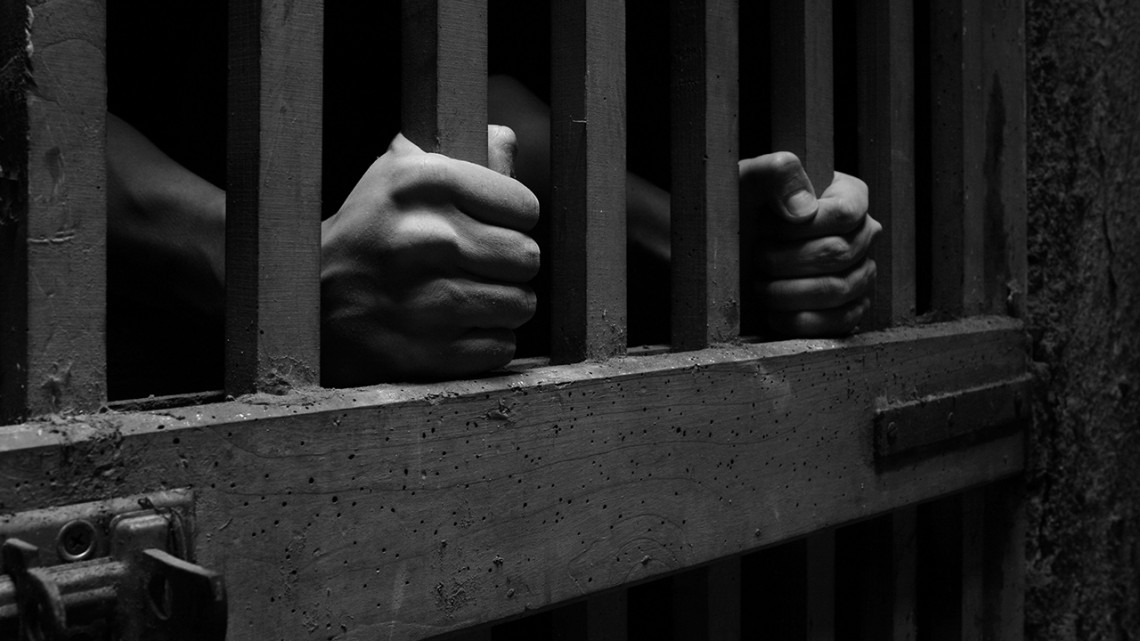
As I sit here writing this an expat I know is sitting in a Taiwanese prison.  I'm not trying to make a case against him, but let's just say he's had encounters with law enforcement before, there are substance abuse issues at play, and when his story finally hit the newspapers not everyone was surprised.

I can't judge the guy too harshly.  Members of my immediate family have also had substance abuse issues, run-ins with the law, and all the grief that that entails.  And in some situations prison can actually be the better of two evils.  Prison isn't fun, but it offers a chance to straighten out and review your life choices.  Prison is often also better than hospitalization, and it's certainly better than death.

But perhaps I'm getting ahead of myself.  Maybe I should start with smaller examples, and work my way up to the point where the local judicial system decides to fine you, imprison you, deport you, or all three in that order.


1. Fines

Fines are annoying, fines are inconvenient, but in the greater scheme of things they're a small kind of trouble.  Will you get fined for not wearing a mask?  Probably not.  I've walked maskless right by police officers and not been fined.  People will give you evil looks, sure, but I've never heard of anyone getting fined for not wearing a mask.

Most fines are traffic-related.  Parking on a red line, for example, or speeding.  In some places policemen wait alongside the road with a radar gun, while in other places they've installed cameras that record your speed.  I find the cameras more annoying.  If the cameras catch you speeding you get a fine in the mail, which includes a picture of your car in the act of going too fast.

I think my wife and I have received three such fines in the past ten years or so.  I remember getting one as I approached Taroko Park (now SKM Park) from a flyover, and another one in Taitung, just south of Central Taimali.  The third one was for failing to signal as either my wife or myself entered the freeway in Nanzhou Township, Pingtung County.  This third one was the work of a "helpful" fellow driver who recorded us as we turned onto an onramp, in a place where almost no one ever thinks to signal.

Bitter about that one?  Yeah, I am.


2. Getting Tricked Out of Your Money

Worse than getting fined is getting ripped off.  Fraud costs you money, and there's also the shameful feeling of being duped to contend with.  If you're new to Taiwan, be careful about rental agreements, work contracts and buying a used scooter.  These are three high-risk transactions when it comes to fraud.  Read your rental agreements and work contracts carefully, and try to buy a scooter from someone you trust.

I've never had trouble with work contracts or rental agreements, but I did get tricked out of a lot of money while buying a scooter during my first year in Taiwan.  Luckily for me I discovered the trick they'd played before it was too late, one of the con men involved was a coworker, and I was able to pressure him by telling our boss what had happened.  I got my money back - lesson learned - and my coworker was soon after.


3. Embarrassment

What's worse, getting conned or getting embarrassed?  I'm really not sure.  I think a lot of people would sooner part with their money than lose face, but of course that depends on the person, how Eastern or Western they are, and how long they've been in Taiwan.

When you first arrive in Taiwan you might feel a bit harried, as if people are insulting you left and right.  This may itself be a source of embarrassment.  Just know that this is a cultural thing.  Taiwanese people often say "insulting" things as a way of demonstrating their closeness to you, and rest assured that they do this with each other as well.  If your feelings are hurt, try indicating so without getting mad, and without appearing too judgmental or dismissive.  I realize this is a hard thing to do, but with practice you'll get there.

I can't think of a single time when I was that embarrassed in Taiwan, but then again I'm a hard person to embarrass.  I'll get mad, sure, but embarrassment is a whole other thing.  Thinking back over the past 22 years, I can only remember moments of embarrassment in the presence of other expats, when they were stabbing me in the back over something work-related or competing with me for someone's attention.  Taiwanese people work very hard NOT to embarrass others, and this is one of the great things about them.


4. Getting Fired

I'd rank getting fired above fines, fraud and embarrassment.  You'll get fired for all the same reasons you'd get fired in another country, including chronic lateness, subpar performance, sexual harassment, child abuse, an obvious substance abuse problem, or a general lack of people skills.  Some foreign English teachers I've known have, however, survived as incredibly lackluster English teachers for incredible lengths of time.

I've never been fired in Taiwan, but I've seen it happen to many others.  Ah, that look of disbelief on their faces, followed by the Rage of the Unjustly Accused.  Most of the time their outrage is just an act; sometimes it's genuine.  I've known many teachers who've been fired for being incompetent.  I also knew a teacher who got outed as a heroin addict.  I've seen both foreign English teachers and other expats suffer - both justly and unjustly - after being accused of sexual harassment.  

The worst example I can think of is a foreign teacher who was molesting boys at a kindergarten in Taichung.  He was, thankfully, fired, but it took WAY too long for his coworkers to convince the boss that something was going on, and it took WAY too long for the boss to do something about it.  Worst of all, the school hushed the whole thing up, and this guy might still be teaching in Taiwan.  If I knew his name I'd gladly publish it here, but this happened after I left the school in question.


6. Getting in a Fight

Getting in a fight?  I know of two ways of getting in a fight: embarrassing a Taiwanese man in front of his friends and using road rage as an excuse for harsh words.  In the first instance I'd recommend against approaching any Taiwanese woman who's entered a bar with several male companions, unless perhaps the women in her party outnumber the men.  With regard to road rage I'd suggest keeping your emotions inside the car, where they can do the least damage.  Be especially careful of taxi drivers.  Those guys will call their friends and f**k you up.

I knew a guy in Taitung who got beaten up really bad after talking up some girl in a bar.  Bones were broken and he was sent to the hospital.  Most Taiwanese guys, being the reasonable souls that they are, will seek to avoid conflict, but DO NOT cause a Taiwanese man to lose face in front of his crew.  Once face has been lost, who knows what will happen?


7. Getting Divorced

You can heal from a good beating, but getting divorced is a whole other kettle of fish.  Of course we all know why people get divorced - everything from cheating to farting too loudly in bed - and Taiwan is no different in this regard.  From what I've seen infidelity is the primary cause, with the ratio of male to female cheating being about even.  To some extent there's a stereotype of Western guys "playing the field," but I've seen just as many marriages broken up by Taiwanese wives and their not-so-secret boyfriends.

And by the way, can we all stop taking sides in one another's divorce proceedings?  Just because you know some foreign guy and you yourself happen to be a foreign guy doesn't mean that he's a jilted husband.  And just because some Taiwanese girl is your friend from college doesn't mean that she's innocent of indiscretions.  Ethnic affiliation is no reason to take sides in such disputes.


8. Going to Prison

I'd say that going to prison is worse than getting divorced, but I suppose it depends on what you're going to prison for and how long you'll be there.  Some expats in Taiwan wind up in prison because of drugs, or more specifically from the idea that they won't get arrested for using, buying or selling drugs.  Often these expats are right... but not always.

Many foreigners come to Taiwan from places where marijuana is perfectly legal, and they are - for whatever reason, convinced that it will be legal in Taiwan any day now.  This is far from the case.  If it's a small amount, and you're not dealing, you'll probably be forced into treatment, but if it's a larger amount, you're growing it, or there's evidence of your being part of a network, you're in serious trouble.  Do you really want to go to jail for low quality weed?  Think about this question carefully.


9. Getting Deported

A step above imprisonment is The Big Goodbye: deportation.  I don't know anyone who's been deported (yet), but it certainly happens.  Most expats get deported for involvement in the drug trade, and I heard that if you go to court and your sentence exceeds a certain length of time they'll just put you on a plane instead of asking you to serve out your sentence.  I once heard of a guy in Taitung getting deported for violating the terms of his visa, but this is an unusual occurrence.


10. Getting Hospitalized

What would you say is worse, going to jail or spending a long time in the hospital?  I'm speaking here of life-threatening illnesses and injuries, things that'll really ruin your weekend.  I myself hate hospitals, and the thought of spending months in a bed sends chills down my spine.  When it comes to hospitalization we kind of go back to where we started from: to the roads.  Traffic accidents are a fact of life in Taiwan, and the combination of how people drive, where they drive and the general road conditions is indeed dangerous.

I've been in two traffic accidents in Taiwan.  Both times I was on a bike.  The first time a taxi swerved out onto the road in front of me, causing me to fall and mess up my elbow.  The second time I was coming down a mountainside, past a car parked on the side of the road, when the driver opened her door without looking.  In a flash I was heels over head in the air, and before I could gather my wits the driver was gone.


11. Getting Dead

The worst form of trouble is (of course) dying.  Sometimes people don't walk away from traffic accidents.  Sometimes they go surfing and they don't come back.  Sometimes they kill themselves - and that's no joke.  If you're driving in any urban area exercise extreme caution.  If you're surfing be aware of weather conditions, rocks over and under the water, and the transitions between low and high tide.  If you're thinking about killing yourself find someone you can talk to.  Life is short my friend, take care of yourself.


12. Parting Thoughts

"When sorrows come, they come not single spies, but in battalions."  So said Shakespeare. 

If we take "sorrows" to mean "troubles" the phrase still holds water.  Troubles come in many forms, and there are many, many ways to invite trouble into your life.  Whether you're an expat or local, whether you're a man or woman, it's good to be aware of trouble in all its guises.  Let's not go to prison, shall we?  Let's not face deportation, or the loss of limbs, or the loss of friends and family members.  Some forms of trouble are unavoidable, but let's try to limit ourselves to the smaller kinds of trouble without courting their bigger, scarier cousins.

The biggest form of trouble, dying, is of course unavoidable in the long term.  This fact alone should give us pause.  Life is too short for the bigger forms of drama, for the kind of legal difficulties and brushes with death that fuel Hollywood movies, and perhaps if we live well and treat others kindly we can avoid them.

Oh, and if the person described in the first paragraph above eventually reads this, just know that I was rooting for you.  We've all made mistakes, and your particular mistakes - whatever they may be - could have led you, or me, or anyone into a lot more trouble than they have.  I certainly don't think I'm better or wiser than you are.  I've done a few regrettable things myself.

Related Entries: